
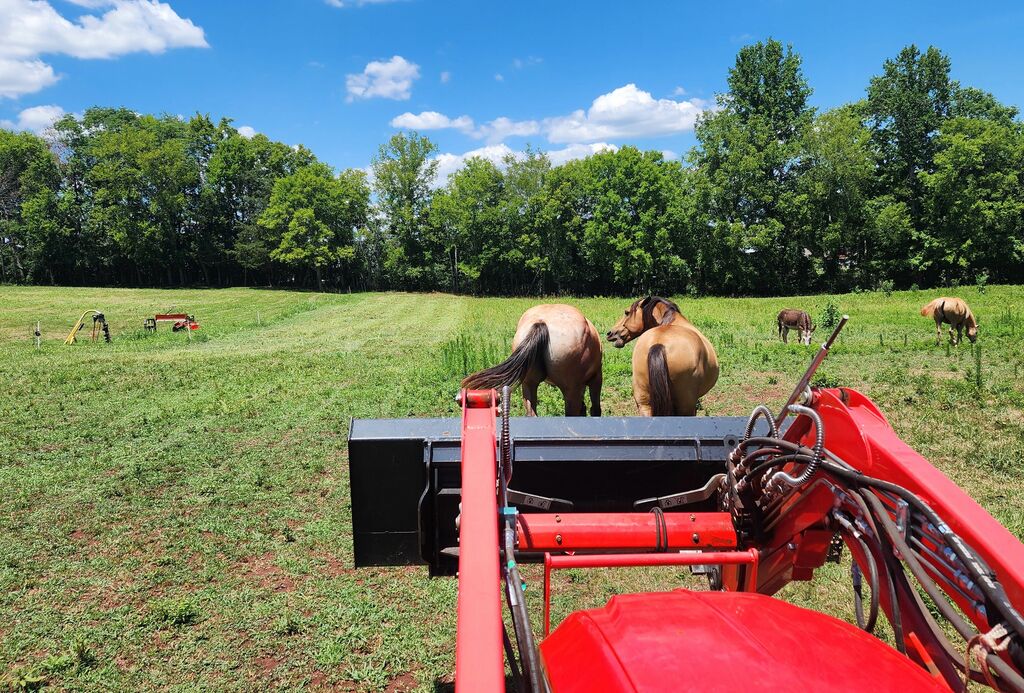
There are many benefits to regular grounds and field maintenance.
Safety and Efficiency: For farmers and large landholders, maintaining clear and well-managed fields is essential for operational efficiency. Overgrown brush and unkempt fields can hinder access to crops, machinery, and livestock, leading to delays and increased labor costs. Regular maintenance, including brush clearing and mowing, ensures that fields are easily accessible and safe for workers and equipment, reducing the risk of accidents and improving productivity.
Stability and Environment: Properly managed fields reduce the risk of soil erosion and runoff, helping to keep local waterways cleaner and reducing the risk of flooding. This also further stabilizes buildings, helping prevent foundational cracking and settling. Additionally, well-maintained fields act as natural air filters, trapping dust, pollen, and other pollutants, thereby improving air quality.
Property Value:
For commercial customers and large landholders, the appearance of their property can have a significant impact on its value and appeal. Well-maintained grounds create an inviting and professional appearance, which can attract customers, clients, and potential buyers. Neatly trimmed grass, cleared brush, and well-pruned trees and shrubs signal that the property is valuable and worth a premium.
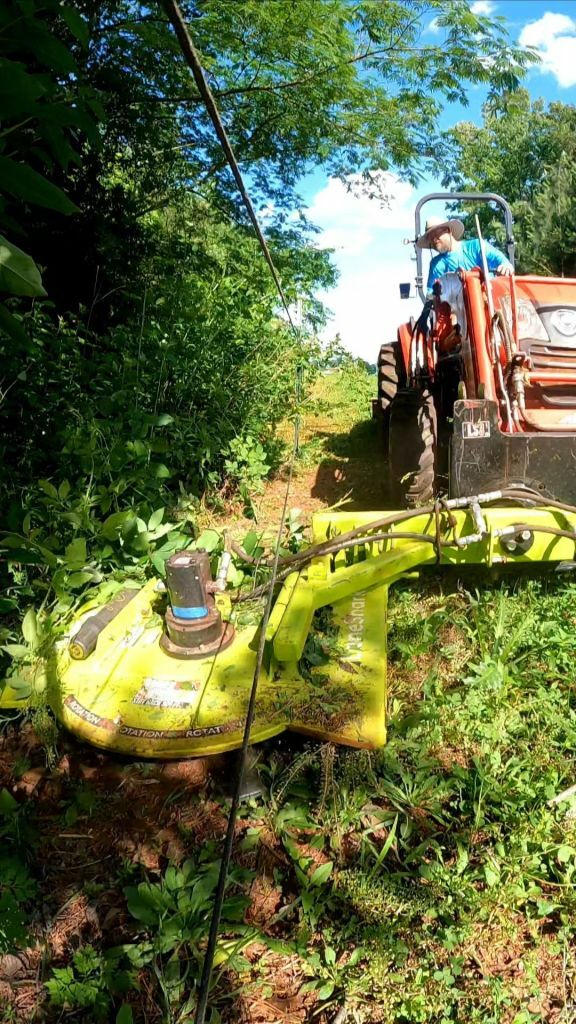
Pest Control:
Neglected fields and grounds can quickly become breeding grounds for pests and invasive weeds. Consistent maintenance helps manage these issues effectively. Keeping brush and grass at appropriate heights prevents weeds from flowering and spreading their seeds, while regular inspections can identify pest infestations early, allowing for prompt treatment and preventing widespread damage.
Sustainability and Long-Term Land Use
For farmers and herdsmen, sustainability is a key consideration. Regular maintenance practices promote healthy soil and plant life, ensuring that the land remains productive and viable for future use. Brush clearing and controlled mowing can also help manage fire risks, protecting valuable crops and property from potential damage.